It’s a little wonder that Jewish thinkers such as Dennis Prager and Ben Shapiro are the visible leaders of the global movement not to jettison the common sense values rather than any Christian leader. Nearly all of mainline Christian denominations have kowtow’d to the Woke Liberalism under the banner of love, and nearly every Korean pastors I have met in last twenty years have given tacit acknowledgements to evolution, geologic time (id est, claims that suppose that death came before Adam), feminism, liberalism, and even Woke movements within their own denominations. They are too cowardly and effeminate to speak out against cultural norms that shift away from the traditional Biblical values. Even some of my friends who I thought were faithful Christians have become Marxist Woke Left themselves. Thus, I have made the *second* exit from Korean Christianity that has immersed itself in liberalism. I will continue to fight against liberal theology ’til my last breath, but I can’t do that while on a toxic ground. I had found myself surrounded by pretenders and/or Machivellian types, and naive, lazy Korean Christians who were brainwashed by pastors to believe that Christian orthodoxy is the problem to be axed down. Most—not all—Korean pastors I have met in last 40 years so far do not believe in the Biblical authority. Even those who had attended conservative seminaries, or those who had signed papers to affirm conservative doctrines of their own denominations, they merely go through the routine for their own livelihood, whilst their personal beliefs are clearly skewed towards cultural norms and not Biblical norms. Having immigrated in my early years from Korea, I had a naive belief in Korean pastors having integrity, but after 40 years of working with them, I have a better grasp on the truth of human nature. Christianity in general has shifted so far left that the culture is being changed not by its leaders, but from those outside of the church because Christian churches themselves are virtually one and the same as the secular culture. That should tell you how impotent Christian church has become to the world, because it has been following the world and not God of the Bible.
Monthly Archives: May 2025
자유주의신학과 마르크시즘에 찌든 거짓행세하는 목사들과 정치인들이 한민족을 망국으로 몰고 가는 中
The Culture of Sycophants
The Korean culture has a strong tendency towards sycophancy, thanks to their authoritarian past, their reinforcing nature of the language, the reduced level of literacy (compared to their own past), and an overt desire for social cohesion that touches on irrationality prompted by proclivity to fit in with their cliques. Independent or critical thought is discouraged (e.g. in context of church, “doctrine is bad”), and even those who give lip service to it constantly suppress it in their own circles as much as they can. You find vestiges of this in other ethnic cultures, too, but extremities of this is often seen in Korean churches, and other institutions filled with Koreans. They are one of the easiest people groups for Machivellians to manipulate and control. Go to any Korean church that has a long record of driving independent thinkers out–for over trivial issues and never doctrinal—while boasting about the credentials of their own chieftain—typically, an overgrown mamaboy—or any political party that seems to idolize their own leader. North Korea is probably a sommet, but for more recent example, just trace their presidential election campaign of 2025. You see examples everywhere in Korean culture.
The 4th dan challenge
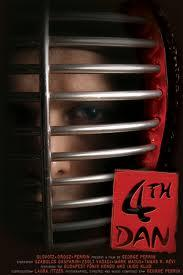
The 4th dan grading examination is to my mind, one of the major milestones in a kendoka’s development. Through the kyu grades we expect a player to learn basic technique and coordination, increasing the range of waza and awareness of timing and opportunity through the first three dan grades.
At 4th dan, a whole new dimension is required – the ability to achieve mind contact with your opponent and to control his movement through the strength of your mind and kamae; and to disturb his composure using seme to enable a successful, meaningful attack. Of course 5th, 6th and 7th dan are increasingly difficult, but 4th dan is probably second only to the ultimate 8th in requiring a major change in kendo technique and attitude.
Having just witnessed two 4th dan grading exams in two weeks, (the second as a panellist), I was reminded how big the step is between 3rd and 4th dan by the very different pass rates. On the most recent occasion the percentage of successful candidates dropped from over 50% to less than 10% between the two grades.
The inherent difficulty is that you are required to make and take every real opportunity to attack but not to attempt any technique when there is no chance of success – that is to say, when your opponent is in full spirit and holding a strong kamae. The way to break through is of course from making seme, either by pushing forward with your whole body and breaking his centre, or by opening your kamae slightly to invite his attack and then beating it with your own technique. You can also break his attack by using harai, osae or suriage, but these should be attached to the correct seme to create the opportunity.
In my view 4th dan is all about control – control of your opponent and more importantly, control of your own movement. You need to ensure that when you move forward that your left foot follows your right and that you are in the position to push off instantly from the ball of your left foot as soon as you make or see the chance to attack. You need to remember to make seme with your feet and body, not just your hands. It is also imperative to use tame; the process of controlling your breath and holding your mind steady in readiness for attack once you are in the correct position.
There is of course a big element of luck, in that if you draw too strong an opponent, or an individual who is intent on rushing around needlessly, it is hard to exert the required level of control. But if you can master seme and tame, you are well on your way.
Original: The 4th dan challenge | kendoinfo.net
과시는 결핍의 소음
문맥상으로나 내용상으로 아무런 관련이 없는데 느닷없이 자신이 명문학교에 다닌 것이 나와 버리고 이런 것이 반복된다면 백팔백중 이 사람은 졸업하지 않았다는 것.
자기 과거를 말할때 반복적으로 무엇 무엇을 당한 적이 없지만 이라고 말하면 그 무엇 무엇을 당한 것임.
보통 이런 メンヘラ를 대할때 조심해야 함. 그런 거짓에 자신의 한 평생을 건 멘탈이라 가까이 있으면 물리거나 아까운 인생의 시간을 낭비하게 됨.
Profaning of the Lord’s name and His Words
Too many preachers today no longer believe the Bible, yet they continue to stand in pulpits, feigning faith to preserve their livelihoods. These folks will go the distance to teach the supernatural under the disguise of faith to demonize what they see as their oppositions. They will usually target those who challenge their teachings as being under the influence of demons. They are spiritual, but unbelieving. They teach that whatever opposes the corrupted church is of demon and don’t teach the kingdom of God that Jesus had taught. The intent is entirely on their control of the church, not even the ecclesiology as presented in the Bible. Under their leadership, a generation of Christians has emerged—one that sees those who take Scripture literally, from Genesis to Revelation, as backward or in need of “enlightenment.” In truth, it is the church itself that has betrayed God. Like the universities now held captive by Woke ideology, many mainline denominations have drifted too far to be reclaimed. It’s time to begin again—from the ground up. We must return to the home as the center of discipleship, build new seminaries rooted in Scripture, and raise up leaders who truly believe the Word of God.

주위에 예측 가능한 사람만을 원하는 사람은…
…사람들을 아무렇지도 않게 도구로 사용하는 제일 악한 인간형들 중에 하나이다. 보통 지휘자나 관리자 및 선생의 위치에 있으며 타인의 삶이 자신의 잘못이나 목적으로 인해 낭비되는지 않되는지 상관없이 자신이 원하는대로 제일 쉽게 이용하고 지배하기가 더 쉬워서 자신의 계획에 순응하게 만들 수 있기 때문이다. 이러한 마키아벨리주의자들은 교활하고 전략적이며, 권력과 통제에 집중한다.
A person who only wants predictable people around them is one of the most wicked types of individuals—those who use others as tools without a second thought. They are often in positions of conductors, managers, or teachers, and without regard for whether someone else’s life is wasted due to their own faults, they find it easiest to exploit and dominate others to ensure compliance with their own plans. These Machiavellians are cunning, strategic, and focused on power and control.
무법의 세상 / People Doing Whatever They Want To Do

막내 딸 아이의 말같은 개 Max 까지 보는 것을 포함하면 보통 세마리의 개를 매일 봐준다고 해야 할 것 같다. 오후에 같이 짧은 산책을 하고 갔다오면 간식을 각각 따로 밥그릇에 주는데 큰개가 역시 재일 빨리 먹고 숏다리 Sido 는 입이 까다로운 지라 일단 간식을 입에 잠깐 물고 다시 바닥에 뱉어버린다. 이 때 다시 Sido 밥그릇에 넣어주고 잠깐 다른 곳에 신경을 쓰고 있으면 Max 가 와서 물어가 자신 것인 마냥 먹어버린다. 더 오래 같이 키운 할머님 Bella 는 눈치를 보고 내가 다른 방에 있으면 가서 물어가신다. 개들의 세상엔 법이란 없다. 비록 주인의 말을 잘 듣는 개가 있고 없는 차이고 더 나가 음식에 있어서는 모든 것이 눈치의 규칙으로 진행된다. 눈치를 봐서 혼나지 않을 것 같으면 그냥 물어가는 식이다. 나름 조금 훈련 받았다 하는 개는 보는 사람이 있으면 규칙을 지키는 척 하는 정도가 개의 세상인 것이다.
사람은 달라야 하는데 정치판이나 교회 같은 곳에서까지 눈치 개임이 만연한 것을 보면 인간은 나이가 많은 어른이 되도 그냥 솔직하지 못하고 마냥 자기 밥그릇 챙기는 개 정도 밖에 않되는 것 같다. 한국과 미주 한인들의 사회를 보면 같은 것을 겪은 사람들의 모임이라서 그런지 비슷한 현상을 너무나 자주 목격한다. 오히려 지도자급 정도되는 인간들 또는 자칭 교육을 많이 받았다는 사람들이 더 비겁하고 더 거짓되는 모습을 보며 옛 더 못살았고 더 교육을 못받았을때의 韓人들의 모습이 더 정직하지 않았나 하는 생각이 들때가 있다. 옛 어떤 TV 프로그램에서 시골의 한 어머니가 상경하는 아들에게 딱 한가지만을 가르치는 것이 있었는데 그것은 거짓말하지 말고 항상 진실만을 말하라는 것이었다. 지금의 어머니들은 그저 좋은 학교에만 보내는데 혼심을 다하여 학력이 좋은 사회가 만들어졌지만 이런 기본적인 誠言도 하지 못하고 그저 사람들의 눈치만 잘보는 사회 구성원들이 만연하게 되었다.
건강한 사회의 구성원은…
- 거짓을 말하지 않는다.
지도자 자리에 앉은 인간이 쓰는 책마다 하버드에서 졸업했다고 거짓말을 하거나 거짓말의 연속으로 대통령 후보가 된 인간이 자신은 절대로 거짓말을 하지 않았다하며 따불로 거짓말하는 눈가리고 아옹하는 사회는 이미 늪지대가 된 사회이다. 자신에게 불리하다 해도 거짓말을 하지 않아야 한다. 공산주의나 사회주의가 계속 실패하는 이유도 지도자층부터 맨 밑바닥의 사람까지 다 거짓말로 연명하는 사회로 변하기 때문에 그 거짓의 분량이 산같이 무거워져 무너지는 것이지 어떤 외부의 세력으로 무너진적이 없다. 체르노빌 1986년 핵발전소의 폭팔이 핵연료 용융으로 이어진 사건도 사실 건축당시의 정치적 우새를 위한 거짓이 만여해져서 만들어진 사건이다. 그렇게 큰 사건이 자주 있지는 않지만 오랜 유대-기독교의 가치관을 기반으로 둔 자유시장 사회또한 마찬가지이다. 국부론에서도 사회의 구성원들의 솔직함을 전제로 하고 있지 거짓이 만연한 사회는 무너지는 사회라는 것은 경제학 박사가 아니라도 쉽게 알 수 있는 사회다. 건강한 가정이나 건강한 사회는 높은 수준의 신뢰를 바탕으로 구성원들의 모임이다. 선조들이 말한 선의의 거짓이라는 것을 빌미로 거짓을 어떤 방법으로든 정당화 하지 말라. 그냥 언제 어디서나 어떤 불이익을 당한다고 할찌라고 거짓은 잉태된 한 아이를 죽이는 것과 같은 죄라고 생각하고 거짓을 말하지 말아라. - 시간을 잘 지킨다.
만약 10사람이 모이는 모임에서 한 사람이 늦어서 10분을 기다렸다고 하자. 한 사람이 100분의 시간이 낭비한 것이 된다. 사람과 사람들이 모여 어떤 한가지의 목적을 이루기위해서 시간을 지키지 않은 것은 죄라고 말해야 겠다. 효율성을 떨어뜨리고 타인의 시간을 아끼지 않는 태도에서 비롯되는 것이 만연하게 되면 누가 시간을 귀하게 여기겠으며 누가 타인과 자신의 시간까지 아끼며 일을 하겠는가? 아직까지도 미국에서는 한인들이 어떤 모임에 늦는 사람들이 많다. Korean time 하면서 마치 기정 사실화 된 것 처럼 가난한 나라의 외국인들까지 포함해 시간을 잘 안지킨다. 요즈음 Google Map 같은 앱으로 어느 장소까지 가는데 소요되는 시간을 거의 분단위로 정확하게 할 수 있다. 10분 늦어서는 5분 정도 일찍 도착하게 출발하라. - 자신의 중심 의무에 충실한다.
개인적인 낙 또는 이익을 위해서 보낼 수 있는 시간과 기본적으로 맡은 일하는 시간을 구분 하지 못하면 과연 개 보다 나은 사람이라고 할 수 있는지 모르겠다. 자신의 이름을 건 어떤 약속이나 계약이 있으면 목숨이 위태로와도 끝까지 지켜야 하는 것이 도리이다. 이것이 거짓말을 하지 않는 것과 일맥상통하는 것이며 또 무엇 무엇을 하겠다고 약속을 하며 그것에 모든 것을 동원하여 이루어내야 하는 것이 기본이 되야 한다. 그러나, 이런 이유 저런 이유를 대가며 그냥 약속한 것을 무시해 버리는 것이 얼마나 많으면 타인이 약속을 무시한 것에 너무나 관대한 한인들이 되어 버렸다. 그러면서 더 큰 숲을 보지 못하고 자신이 더 용서를 잘하고 은혜쓰러운 사람이라고 셀프 위로하며 넘어간다. 참으로 안타까운 수준이 아닌가. 그리고 약속을 지키지 않은 사람은 매일 밥먹듯이 연속으로 小大 가릴 것 없이 약속을 어기는 것을 버릇처럼하면서 아무런 죄책감을 느끼지 못하는 病身 사회또는 한인 단체를 만들어 간다. 사실 이러한 기형 단체를 반 100년정도 보고 같이 살아보니 나 까지 病身이 되는 느낌이 들어 한인들이 모여 있는 곳은 기본적으로 가지 않기로 했다. 정신을 산만하게 하게 하고 시간을 낭비하게 모든 것, 아무리 가까운 사람또는 책또는 인터넷의 내용이라해도, 차단해야 한다.
인간으로 태어났으면 자신이 똥싸고 닦는 정도의 기본적인 것들은 지켜야 되는 않는가?
If you count Max—the youngest daughter’s dog who thinks he’s one of the family too—I suppose I watch over three dogs on a daily basis. We usually go for a short walk in the afternoon, and when we come back, I give each dog a treat in their own bowl. The big one always finishes first, while short-legged Sido, being the picky type, will take the snack in his mouth only to spit it back onto the floor. That’s when I pick it up and place it back in his bowl, but if I get distracted for even a moment, Max will swoop in and eat it like it was meant for him. The older dog, Bella—who’s been with us the longest—tends to gauge the situation, and if I’m not in the room, she’ll sneak in and grab it herself. In the world of dogs, there’s no such thing as law. Some are better trained, sure, but when it comes to food, everything runs by unspoken social cues. If they sense they won’t get scolded, they just go for it. Even the so-called “trained” ones only pretend to follow the rules when someone is watching. That, in essence, is the canine way.
People are supposed to be different. But when I look at how things run in politics and even in the church, it’s nothing but the same old game of reading the room. It makes you wonder if, even with age, people don’t become much more than dogs looking after their own food bowls. In both Korean society and Korean-American communities, I keep seeing the same patterns repeat. Oddly enough, it’s often those in leadership positions—the ones who boast of higher education—who are the most cowardly, the most dishonest. Sometimes I think back to when our people had less money and less schooling—weren’t they, in a way, more honest back then?
There was this one old TV program where a rural mother sends her son to Seoul and teaches him just one thing: never lie—always tell the truth. Today’s mothers pour every ounce of effort into getting their kids into good schools, and sure, we’ve built a society full of degrees. But somewhere along the way, we’ve raised a generation that doesn’t even know how to say a simple word of truth, only how to navigate public opinion.
A healthy society is made of people who:
- Do not lie.
When every book written by a public figure falsely claims they graduated from Harvard—when someone who’s lied their way up to becoming a presidential candidate still insists they’ve never told a lie—what we’re looking at is a swamp, not a society. Even when the truth is inconvenient or damaging, lying should never be an option. Communism and socialism fail not because of some external enemy but because their leaders and citizens build entire societies on lies until the weight of deception collapses the whole structure. Remember the Chernobyl disaster in 1986? That was the result of layers of political lies that started way back during construction. Tragedies like that don’t happen every day, but let’s not pretend the free-market societies rooted in Judeo-Christian values are immune. Adam Smith’s Wealth of Nations assumes truthfulness among citizens. A society overrun with lies doesn’t need a PhD in economics to understand—it’s on a path to ruin. A healthy home or society is built on trust. Don’t use the excuse of “benevolent lies” passed down from our ancestors to justify deception. No matter the consequences, lying is like killing an unborn child—it’s sin. Don’t do it. - Keep time.
Let’s say a group of ten meets and one person is ten minutes late. That’s a hundred minutes wasted. That’s a sin. When people no longer value each other’s time, how can we expect anyone to work diligently—respecting not only their own time but others’ too? Even now, in the U.S., Koreans are notorious for being late. “Korean time,” they laugh, like it’s a given—lumping themselves in with foreigners from struggling nations. These days, with apps like Google Maps, you can calculate arrival times down to the minute. If you think you’ll be ten minutes late, just leave five minutes earlier. - Fulfill your duties.
If someone can’t tell the difference between time spent on personal pleasure and time owed to responsibilities, can they really claim to be better than an animal? When your name is on a promise or contract, you keep it—no matter the cost. This goes hand in hand with truth-telling. When you say you’ll do something, then your entire being should be committed to making that happen. But instead, we now live in a society where people shrug off commitments with excuse after excuse. And what’s worse? We’ve grown tolerant of broken promises, even making a virtue of it—telling ourselves we’re gracious and forgiving when in reality, we’ve lost our backbone. Those who constantly break promises, big or small, do it without guilt, and this becomes the new norm in Korean communities and organizations. I’ve seen these dysfunctional communities for half a century, and frankly, they’ve made me feel sick. I’ve come to avoid Korean gatherings altogether. Anything—or anyone—that scatters your focus and wastes your time, no matter how close they are, no matter how useful their words or writing—cut them off.
If you were born human, shouldn’t you at least have the decency to do the very basics at the level of cleaning up after your own mess?