Author Archives: mhan

安時 2017-8-24

요 4:43-54
이틀이 지나매 예수께서 거기를 떠나 갈릴리로 가시며 친히 증언하시기를 선지자가 고향에서는 높임을 받지 못한다 하시고 갈릴리에 이르시매 갈릴리인들이 그를 영접하니 이는 자기들도 명절에 갔다가 예수께서 명절중 예루살렘에서 하신 모든 일을 보았음이더라 예수께서 다시 갈릴리 가나에 이르시니 전에 물로 포도주를 만드신 곳이라 왕의 신하가 있어 그의 아들이 가버나움에서 병들었더니 그가 예수께서 유대로부터 갈릴리로 오셨다는 것을 듣고 가서 청하되 내려오셔서 내 아들의 병을 고쳐 주소서 하니 그가 거의 죽게 되었음이라 예수께서 이르시되 너희는 표적과 기사를 보지 못하면 도무지 믿지 아니하리라 신하가 이르되 주여 내 아이가 죽기 전에 내려오소서 예수께서 이르시되 가라 네 아들이 살아 있다 하시니 그 사람이 예수께서 하신 말씀을 믿고 가더니 내려가는 길에서 그 종들이 오다가 만나서 아이가 살아 있다 하거늘 그 낫기 시작한 때를 물은즉 어제 일곱 시에 열기가 떨어졌나이다 하는지라 그의 아버지가 예수께서 네 아들이 살아 있다 말씀하신 그 때인 줄 알고 자기와 그 온 집안이 다 믿으니라 이것은 예수께서 유대에서 갈릴리로 오신 후에 행하신 두 번째 표적이니라

왕의 신하가 예수님께 아들을 살려달라고 하지만 예수님께서 냉담한 반응을 보이신다. “표적과 기사를 보지 못하면 도무지 믿지 아니하리라.” 만왕의 왕에게 우리또한 얼마나 조건을 걸고 믿고 있는가? 구약의 Gideon 이 하나님을 시험하는 것 처럼 우리또한 어떤것에 대한 조건을 걸고 하나님의 뜻을 구하며 내 뜻대로 내가 원하는대로 해주시면 믿고 그렇지 않으면 도리어 화를 내며 하나님을 믿지 않는 참으로 우스꽝 스러운 관계로 만들어 나가는 것이 우리의 모습이다. 거룩하신 하나님앞에 감히 누가 설 수 있는가? 사실 죄로 인해 항상 악한 생각만 하는 우리가 마땅히 받아야 할 것은 죽음뿐이다. 댐같이 나의 욕심과 정욕으로 가득차 있는 인간의 마음에 자신을 창조하신 하나님께서 임제할 자리도 없는 것이 인간아닌가? 지렁이보다 못한 인간을 어쩌면 그렇게 사랑하사 십자가위에 몸을 던지셨던 말인가?

신하또한 그런 조건적인 믿음으로 예수님에게 접근을 했던 것이다. 그런 상황에서도 측은히 여기셔서 간구를 들어주시는 예수님. 예수님의 말씀만을 붙잡고 믿음으로 집으로 돌아가던 아버지. 주여, 주께서 무엇을 주실 것을 바라며 살아가는 것이 아니라 오로지 주를 바라며 살게 하여주소서.


C. 아들이 빵을 달라고 물으면 어느 아버지가 돌을 주겠느냐? 마7.9

아들이 아버지와의 관계에 소홀하고 아버지를 예의없이 대하는데 어찌 감히 아버지께서 마구 무엇을 달라고 짜증을 내면서 할 수 있겠는가? 우리는 항상 이런 짓을 하고 있다. 관계 상태는 전혀 생각하지도 않고 평화를 달라고 안정을 달라고 기도의 응답만을 요구하고 있다. 타종교의 미신을 믿으며 날마다 복을 위해 기도하는 이교도들과 무엇이 다른가 말인가? 다른이에 죄를 용서하지 않으면서 용서를 간구하고, 다른이에게 친절과 자비를 배풀지 않았는데 자비를 간구하며, 의로운 생활을 하지도 않았는데 하나님의 의를 만년 구한들 무슨 소용이 있겠는가 말인가? 종이위에 입으로 내가 무엇을 믿고 있다는 것을 표현하는 것이 중요한 것이 아니라 神 앞에서 내가 과연 어떻게 행동하고 있는 가가 더 중요한 것이다. 기도는 어떤 감정만의 표현이 아니고 무슨 신비로운 것도 아니다. 우리가 하나님의 자녀로 살고 있지 않으며 그 어떤 기도도 소용이 없을 수 있다. 다른 사람들과의 불편한 관계, 좋지 않은 가치관으로 생긴 빚, 그리고 내 맘대로 성질낸것들. 교회서 다른 사람들 앞에서 잘 차려입고 영적으로 신비한 기운을 내뿜는 것처럼 아니면 잘 내외로 갖춰진 사람처럼 보이게 하는 것은 쉬운 것이다, 그러나 예수님은 우리의 마음을 깊숙히 다 보고 계신다.

A. XXII. 자신의 내적 빈곤함과 얼마나 자신이 하찬은 사람인지 깊이 느낄 수록 평안을 찾고 기뻐할 수 있어야 한다. 하나님께서 약한 것과 심령이 가난한 사람과 이 세상에서 낮은 자에게 눈을 돌리시며 그 들을 올리시기 때문이다. 높은 자리에 앉아 마음이 교만한 자들은 하나님께서 낮추신다. 심지어 동양의 역사에서도 의와 정의를 위해 핍박을 받았던 자들의 이름들이 기억되고 있으며 존귀함을 받고 있지 당 시대 부와 특권을 누리며 악을 행했던 자들의 이름이 기억되고 있지는 않는다. 세상이치도 이러한데 하물며 하나님을 믿는 자들이라 다르겠는가? 의라는 개념자체위에 계시며 온전하며 완벽한 의를 표출하시는 하나님을 위해 핍박을 받는 다는 것은 의만을 위해 핍박을 받는 자보다 더 존귀한 자리에 있을 수 밖에 없는 것이다. 그것은 인간에게는 과분할 정도로의 영광인 것이다. 그 어떤 것도 아닌 왕중의 왕 창조주 하나님의 이름을 위해 핍박을 받는 것. 왕을 위해 목숨을 다한 과거의 사신들은 불온전한 인간 왕들을 위해 목숨을 다했기에 왕이 불의한 사람이었으면 아무리 신실했던 사신이라 한 들 왕의 의를 넘지 못한 것. 우리는 완벽한 왕을 섬기는 사람들이다. 이 보다 더 큰 평강이 어디 있겠는가. 이를 위해 목숨을 버린다 해도 아깝지 않는 왕이다. 그 섬긴 안에 기쁨이 있는 것이고 우리의 섬김의 대상이 누구인지 더 깊이 알면 알수록 그 은혜와 기쁨이 넘칠 수 밖에 없는 것이다.

주의 의와 사랑과 영광이 먼저가 되게 하소서. 주께서 주시는 그 어떤 축복보다 주만이 나의 평강이 되시고 주만이 나의 기쁨이 되시고 주만이 나의 영광이시나이다.

安時 2017-8-23

Chambers

“When thou prayest, enter into thy closet, and… pray to thy Father which is in secret.” Matt. 6:6

기도를 할 때 아무도 없는 곳에 가서 기도하라고 한다. 기도는 노동이라는 말이 있다. 의식적으로 해야하는 것이기에 그런 말이 나온 것 같다. 혼자 기도할 때 잡념이 문제이다. 儒家의 율곡 이이도 거경(居敬), 궁리(窮理), 역행(力行)의 가르침에서도 잡념이란 아무리 좋은 생각이라도 때가 아닌 생각을 잡념이라고 가르쳤다. 잡념을 이기는 방법은 잡념을 싫어하게 되는 마음까지도 잡념이라 간주되니 가볍게 여기고 그냥 지나가야 한다는 것. 새가 날라와 머리위에 똥을 싸고 둥지를 지게 하지 않으면 된다. 의외로 쉽지만 의식적으로 나의 생각을 다스리지 않으면 잡초처럼 뿌리를 내리게 된다. 이런식으로 discipline of the mind, 아니면 정신적 훈련이란 매일 같이 반복해 연습을 해야 하는 것이다. 외부에서 들려오는 시끄러운 소리들, 그 만큼 우리의 내부를 자극시키는 것들이 많으므로 이런 훈련은 현대를 살아가는 우리들에게는 필수인 것이다.

장농에 들어가 문을 닫아야 한다. 하나님은 우리가 스스로 자신을 바라보는 관점위에 계시다. 비밀리 계시는 곳의 하나님을 찾아가야 한다. 그곳에서는 나의 감정이 나를 조종하지 못하게 내적 잡음에서로 부터도 문을 닫고 들어가야 한다. 바로 하나님의 임제의 장소, 지성소이다. 예수님은 눈을 뜨자마자 아무도 없는 곳을 찾아 이 지성소에 들어가 하나님의 임제속에 거하시며 기도하셨다. 이런 기도 생활이 유지되고 하나님의 임제속에 거하는 생활이 기본적인 그리스도인의 생활이다.

A’Kempis, XXI

儒家의 大學의 세가지의 가르침 중 한가지가 인품을 갖춰 그 위에 쉼을 찾는 것이다. 그리스도인은 내 안에서의 아무리 좋아보여도 내가 만든 허상위에 쉼을 찾는 것이 아니라 나를 내려놓고 온전한 인격체이신 하나님안에서 쉼을 얻는 것이다.

주님이 주시는 선물들보다 주를 갈망하나이다. 온전하시고 최고가 되시는 주여. 주가 아닌 그 어떤 것이에서도 안식을 찾을 수 없나이다.

주께서 은혜로 임제하시기 전까지는 나는 그 어떤 평안도 찾지 않을 것이고 기도를 중단하지 않을 것이나이다.

이 地上의 최고의 것도 하나님과 비교해서는 아무것도 아니옵니다.

나의 입, 영혼, 그리고 온 만물이 다 주를 찬양하리이다.

요 3:9-21

  1. 니고데모가 대답하여 이르되 어찌 그러한 일이 있을 수 있나이까
  2. 예수께서 그에게 대답하여 이르시되 너는 이스라엘의 선생으로서 이러한 것들을 알지 못하느냐
  3. 진실로 진실로 네게 이르노니 우리는 아는 것을 말하고 본 것을 증언하노라 그러나 너희가 우리의 증언을 받지 아니하는도다
  4. 내가 땅의 일을 말하여도 너희가 믿지 아니하거든 하물며 하늘의 일을 말하면 어떻게 믿겠느냐
  5. 하늘에서 내려온 자 곧 인자 외에는 하늘에 올라간 자가 없느니라
  6. 모세가 광야에서 뱀을 든 것 같이 인자도 들려야 하리니
  7. 이는 그를 믿는 자마다 영생을 얻게 하려 하심이니라
  8. 하나님이 세상을 이처럼 사랑하사 독생자를 주셨으니 이는 그를 믿는 자마다 멸망하지 않고 영생을 얻게 하려 하심이라
  9. 하나님이 그 아들을 세상에 보내신 것은 세상을 심판하려 하심이 아니요 그로 말미암아 세상이 구원을 받게 하려 하심이라
  10. 그를 믿는 자는 심판을 받지 아니하는 것이요 믿지 아니하는 자는 하나님의 독생자의 이름을 믿지 아니하므로 벌써 심판을 받은 것이니라
  11. 그 정죄는 이것이니 곧 빛이 세상에 왔으되 사람들이 자기 행위가 악하므로 빛보다 어둠을 더 사랑한 것이니라
  12. 악을 행하는 자마다 빛을 미워하여 빛으로 오지 아니하나니 이는 그 행위가 드러날까 함이요
  13. 진리를 따르는 자는 빛으로 오나니 이는 그 행위가 하나님 안에서 행한 것임을 나타내려 함이라 하시니라

궁극적으로 구원을 받는 자는 진리를 보고 진리로 나와서 그리스도를 믿음으로서 영접하는 자이다. 진리를 멀리하게 하는 것은 악이다.  나오지 못하게 하는 것은 악의 결과이며, 믿음으로 영접치 못하게 하는 것은 지옥의 문턱에 온것이다.

安時 2017-8-22

Chambers. “I indeed baptize you with water…but He… shall baptize you with the Holy Ghost and fire.”  Matt 3:11

나의 끝이 하나님의 시작이다. 나의 것이 나의 자아가 조금이라도 살아 있으면 내면에서 역사하지 않으신다.  나의 것을 온전히 내려놓고 완전히 양보 했을때 그 순간부터 역사하시고 축복의 길로 인도하신다.

A’Kempis.

…fondness for evil pleasures overcometh the mind of him who is addicted to the world; and he esteemeth it a delight to be under thorns, because he hath not seen or tasted the sweetness of God, and the inward pleasantness of virtue.

…they who perfectly despise the world, and study to live to God under holy discipline, these are not ignorant of the divine sweetness promised to those who truly forsake the world; they also very clearly see how grievously the world is mistaken, and how it is in many ways deceived.

세상의 기준이 하나님의 기준과 대립된다는 것을 알아야한다.  세상을 따르는 자는 하나님의 것과 대립하게 되고 하나님의 것을 따르는 자는 세상과 대립하게 된다. 마음을 다지고 하나님의 것을 담대히 받고 행하라.

安時 2017-8-21

Chambers

Blessed are the poor in spirit.

We can be taken up with the issue of volition, or on the overt emphasis of what we do with our time, talent, and resources. Being poor in spirit is not something that is easily noticed, and yet the seemingly passive state of being–in need–is the condition for God’s blessings.

We’re way too armed with ourselves, for our future.  We need to lay down our arms.  우리는 자신을 위해 미래를 위해 너무나 많은 무장을 하고 있다.  우리의 무기들을 내려놔야 한다.

A’Kempis

인간은 자신의 고통이 크다고 느낀다. 그리고 나의 고통이 더가깝고 아프고 重한 고통이고 지금과 같이 개인주의가 만연한 시대에서는 남이 더 큰 고통을 느끼거나 말건 상관이 없다. 타인의 고통의 소리에까지 진저리를 친다. 남의 고통의 소리는 자신에게 스트레스를 주는 오디오일뿐. 그저 내가 개인적으로 다른이의 고통을 초래하지만 않으면 괜찮다는 의식으로 변했다. 이런 상태에서 남이 나에게 타당치 않은 것으로 고소를 했거나 거짓 증거를 하는 것 같으면 도저히 참지를 못한다. 자신보다 못하다는 생각이 든 사람에게 당하고는 절대로 살지 못한다.  그러나…

자신이 불리한 상황속에서 남자답게 담대히 타인에게 더 미련한 사람에게 밟힐 각오를 가지고 사는 사람이 신앙인이 아니었는가.  忍으로 부름을 받은자 아닌가 (고전13).  우리의 싸움은 우리를 직접 괴롭게 하는 자들과의 싸움이 아니고 자신의 고통만을 보게 하고 자신보다 더 큰 고통을 겪는 이들은 생각조차하게 하지 않는 고체된 마음 상태이다. 자신밖에 보이지 않는 이기주의, 극적인 나르시시즘의 표출일 뿐이다. 이런 싸움없이 어찌 승리가 있겠는가? 이런 노력없이 어찌 심적 평안을 찾을 수 있겠는가?   神을 위해 감당하기 어려운 스트레스를 받고 밟히고 어려움을 겪는 것은 영혼을 위한 高度의 영양분이다. 인간으로 태어났으면 남자답게 싸워이겨 나가라.

List of One Thousand Characters completed (천자문, 千字文 수록 끝)

천자문 한자 풀이와 설명 모집이 이제 끝났다.  1년 넘게 조금씩 해오다가 절반 이상을 다음 수업 시작하기 전에 한꺼번에 다 끝내 버렸다.  링크는 여기에.

I’ve completed the list of One Thousand Characters including all of the available, sound explanations in Korean.  I’m not sure how much of English translations I will be able to provide, but I’m thinking of completing it very slowly.  I have been completing little bit at a time, and then I’ve gone ahead and finished more than half of it before the start of a class next week.  You can find the listing here.

Contrasting foundations for morality (대조되는 도덕의 정의)

— English

In the West, the classical philosophers, post-Christianity, thought of morality as a core part of virtue in reflection of the belief of imago dei.  However, in the East Asia, the morality is now more often seen as a part of statecraft, a code only intended to make people more obedient to their rulers. This Machiavellian juxtaposition of Confucian ideals has been tacitly accepted by the populace, and I think that is one of the main reasons why the social changes have been so swift. Without a full appreciation for Confucianism as a theory, ignorant progressives have done much to throw out the baby with the bathwater. Social changes are often hinged by a philosophical, and referential, position that society holds to, and the fact that Asian countries seem to have been following the West, almost mindlessly, without due consideration of traditional moral implications (but accommodating to Western influences under the banner of progress) is evidenced by the fact that traditional views have been heavily labeled as being backward and generally antithetical to any progress in all aspects of life. This was sparked by Meiji Reformation in Japan, which happened among a people-group living in an island long oppressed by self-doubt about its own identity and self-worth, always compared against the continental culture.

As seen in Korea, it doesn’t help that most of classical literature were written in hanja and the disciplines of philosophy or classical literature is simply marginalized as being “non-productive” discipline. This kind of trend is deeply troubling, given the fact that young people are increasingly adopting materialistic view of life, whilst studying hard in philosophical disciplines, which was a harsh experience for them when they had to memorize in a rote fashion to pass a test.  Knowledge without seeing no relevance to their lives has led to resentment towards the very knowledge that can allow them genuine change and progress towards the future.

— 한글

기독교 이후의 서양의 고전 철학자들은 도덕을 하나님의 형상 (imago dei)으로 만들어진 인간의 중요한 미덕으로 생각왔어으나 동양에서는 도덕이 치국책의 용도로 사람들을 더 고분고분하게 만드는 하나의 규범으로만 간주되어가고 있다.  이런 식의 마키아벨리 풍으로 유교적 이념이 암묵적으로 받아 들여지고 있고, 이로 인해 사회적 변화가 상당히 빨리 일어난 것 같다.  유교를 하나의 이론으로 평가하는 것 보다 무지의 진보주의자들은 아기를 아기 씻는 물과 함께 버린을 일을 주도해왔다. 사회적 변화는 사회가 지니고있는 철학적, 참고적 위치를 반영해 일어나게 된다.  아시아 많은 국가들이 자신의 전통적 관점의 도적적 결과에 대해 심사숙고하지 않은 것을 보면 (발전이란 이름아래 서양의 모든것을 수용하며) 얼마나 전통적 관점이 뒤떨어지며 일반적으로 모든 삶의 면에서 발전과 상반된다는 인식이 팽배했는지 알 수 있다. 이것은 일본의 메이지유진이 점화시킨 것이다. 오랫동안 자기회의와 대륙풍의와 대조되는 자신들의 열등감에 억업받았던 자들속에서 일어난 것이었다.

한국에서 볼 수 있듯이 한자나 고전문학이나 철학 같은 것을 공부하는 것은 비생산적인 일이다라 하여 단순하게 하찮은 분야로 인식되어 버렸다. 젊은 사람들이 점점 더 물질주의적 관점의 삶을 반영할때 이러한 추세는 매우 심각한 추세이지 않을 수 없다. 철학을 모르는 것은 아니다, 그러나 그들에게 철학이란 단순히 시험을 통과하기 위해 외워두는 지식이었지 도구이었을 뿐이었다. 삶과 아무런 연결이 없이 습득되는 지식은 미래를 위한 진정한 변화와 발전을 줄 수 있는 지식에 대해 분노만 일어나게 하는 것이 되어 버린다.

Issues with South Korea, from investor’s point of view (투자자가 본 한국의 문제들)

(한국어는 밑에, Korean translation available in the bottom)

— English

There were some memorable points that Jim Rogers, a well-known American investor, has pointed out about Korea, and why there would be no future for it if it continues this way. (Sub-points are my personal reflections.)

  • 3 companies hold the 50% of the national GDP.
    • In the early days of post-war modernization, the political leaders allowed a full government support of only a handful companies, and those companies have managed to maintain a tight relationship with the government and monopolize on the Korean economy.
  • Too many young people are only seeking to get a government job. There’s future only if young people are willing to challenge the status quo with new ideas.
    • Two to three generations of people have experienced how unstable the market has been, so Korean people in general have been tamed to believe that the government job is the only stable job for their children to have.
  • The birthrate is too low and it will have a significant effect in the labor market.


— 한국어

유명한 미국의 투자자  짐 로저스가 최근에 한국의 문제들에 대해 몇 가지를 언급했고 계속 유지되면 미래가 없다고 했다. (밑에 있는 포인트들은 나의 개인적인 생각입니다.)

  • 3개의 회사가 나라의 GDP 의 50%를 가지고 있다.
    • 한국전쟁이후 정치적 지도자들은 몇몇 되지 않는 회사에게 전적인 정부지원을 허락하였고 그 회사들은 정부와 긴밀한 관계를 유지하며 한국 경제를 독점할 수 있었다.
  • 너무나 많은 청년들이 안정적인 공무원직만을 추구하고 있다. 젊은 사람들이 새로운 아이디어를 가지고 도전을 하는 곳에만 미래가 있다.
    • 2 ~ 3 세대의 사람들이 시장이 얼마나 불안정했는지 경험했기 때문에 한국인들은 일반적으로 공무원으로 일하는 것이 자녀들이 가질 수있는 유일한 안정적인 일이라고 믿고있다.
  • 출생률이 너무 낮아 미래 노동률에 큰 타격이 있다.

남아수독오거서(男兒須讀 五車書)

‘남아수독오거서男兒須讀 五車書’ 남자는 모름지기 다섯 수레의 책을 읽어야 한다는 두보의 시에서 나온 구절이다. 원래는 장자가 친구 혜시의 장서를 두고 한 말이라고 한다. 이 말을 요즘식으로 해석해보면 ‘남아’는 장자 자신을 말한 것이니 꼭 ‘남자’라는 의미보다 그냥 ‘사람’이라고 보면 될 것 같고, 다섯 수레의 책이라 함은 당시 책이 죽간으로 되어 있었으므로 ‘다섯 수레’ 개념 보다는 그 시대 거의 모든 책의 양이었을 것이다. 그럼에도 오늘날의 양으로 꼭 환산해 본다면 대략 3천 권 정도의 책이 되지 않을까 한다. 따라서 남아수독오거서男兒須讀 五車書라는 말을 ‘사람이 태어나 죽기 전에 3천 권의 책은 읽어야 한다’ 쯤으로 해석해도 될 듯하다.
‘문사철 600’이라는 말도 있다. ‘문사철 600’은 문학 책 300권, 역사 책 200권, 철학 책 100권을 의미한다. 극작가이자 역사소설가인 신봉승 작가는 제대로 세상 살아가는 이치를 알기 위해서는 ‘문사철 600’을 30대에 마쳐야 하며 이것이 힘들다면 일생을 통해서라도 반드시 마쳐야 한다고 강조한다. 30대까지 다독을 통해 세상사는 이치를 깨우치고 있어야 함을 지적한 말이다.

우리나라 사람들이 독서를 하지 않는다는 뉴스는 사실 어제 오늘 일이 아니다. 2011년 자료에 따르면 한국인의 월평균 독서량은 1권이 안 되는 0.8권이라고 한다. 이는 미국 6.6권, 일본 6.1권, 중국 2.6권에 비해 우리나라 사람들의 얼마나 책을 읽지 않는지 말해주는 지표다. 월평균 독서량이 1권도 안 되는 0.8권이라는 숫자는 한류를 얘기하고 문화선진국을 꿈꾼다는 나라로서 부끄러운 숫자이다. 스마트폰의 등장이니, IT 발달에 의한 현상이니 하면서 독서하지 않는 이유를 대지만 변명치고는 궁색하다. 물론 통계의 기준을 어떻게 잡느냐에 따라 자료의 신빙성에 문제를 제기 할 수 있겠지만 우리나라 사람들이 다른 나라 사람들보다 책을 많이 읽지 않는 다는 것은 사실인 듯 하다. 전쟁으로 폐허가 된 국가에서 불과 60여 년 만에 경제대국으로의 놀라운 성장에 세계가 박수를 보내지만 책을 읽지 않는 나라의 미래는 밝지 않다.

직장인들의 평균독서량도 연 15권 정도라고 하니 월평균으로 따지면 1.25권으로 2권이 안 된다. 다른 OECD국가들에 비해 매우 낮은 수준이다. 앞에서도 얘기했듯이 제대로 된 교양을 갖춘 지식인이 되기 위해서는 두보가 ‘남아수독오거서’를 통해 강조했듯이 평생 3천 권의 책을 읽어야 읽어야 한다는 생각이다. 또한 ‘문사철 600’은 40대 이전에 마스터하고 만일 지금 40대인데도 넘지 못하였다면 향후 10년 안에 반드시 ‘문사철 600’을 마스터 해 볼 것을 권한다. 책을 많이 읽어 제대로 된 지식인이 많아 져야 사회의 수준이 올라가고 국가의 수준도 올라간다. 정치인들은 말로만 일류국가를 만들겠다고 하지 말고 독서량을 어떻게 늘릴 것인가의 대안을 내놓는 공약이 있어야 한다. 그런 의미에서 경기도 군포시청의 독서 전담부서인 ‘책 읽는 군포실’ 운영은 지방 자치단체에서 진행하는 우수한 사례라 할 수 있다. 자치단체장 한 사람의 진취적이고 창의적인 생각이 세상을 바꾼다.

독서의 힘은 흔히 모죽이라는 대나무에 비교하곤 한다. 우리나라와 중국, 일본 등지에서 자생하는 모죽이라는 대나무는 씨를 뿌리고 난 후 죽순이 나오는 것 말고는 5년 동안은 아무 변화가 없다고 한다. 5년째 되는 해 갑자기 자라기 시작하여 어떤 것은 하루 70센티씩 자라 거의 30미터까지 자란다. 그러니까 모죽은 5년 동안 자라지 않은 것이 아니라 5년 동안 땅속에서 넓게 뿌리를 뻗어 양분을 흡수하고 도약을 준비한 것이다. 독서를 하는 것도 이와 같다. 한 두 권 읽었다고 바로 성장하는 것이 아니라 눈에 보이지 않지만 모죽의 세월처럼 일정 정도 지식의 양이 찰 때까지 견뎌내야 하는 것이다. 그 모죽의 세월을 견디고 도약하는 시점이 바로 3천 권의 독서다. 마치 물이 99도까지는 끓지 않다가 임계점인 100도를 넘으면 끓어서 기체가 될 수 있듯이 독서를 통한 깨달음의 임계점도 분명히 존재한다고 생각한다. 그리고 그 선이 바로 3천 권이라고 생각한다.

http://postfiles6.naver.net/20160306_101/junbh1_1457196886655I9nMq_PNG/%B8%F0%C1%D7.png?type=w3

여기서 말한 3천 권의 기준은 그냥 한 말이 아니다. 실제 이런 기준으로 책을 통해 이치를 깨우치고 새로운 삶을 살게 되었다는 다독가들의 경험담에 기초한 것이다. 목사였던 민들레영토의 지승룡 소장은 이혼 후 나락에 떨어졌다. 그 때 그가 할 수 있는 일은 근처 도서관에서 온 종일 책 읽기였다. 그는 2년 동안 매일 도서관에서 무려 2천 권에 달하는 책을 읽었다. 그 후 포장마차를 시작해 종자돈을 벌어 민들레영토를 시작할 수 있었다. 『꿈꾸는 다락방』의 저자 이지성 작가는 2천권의 책을 읽고서야 뭔가 세상을 보는 시야가 트였다고 말한다. 일본 IT업계의 신화가 된 손정의 소프트뱅크 회장은 26살에 간염으로 3년 동안 입원하였다. 아무 것도 할 수 없어 읽기 시작한 책이 3년 동안 4천 권에 달했다고 한다. 그는 ‘그 3년 동안의 독서가 내 인생을 바꿨다’고 말한다.

http://postfiles12.naver.net/20160306_283/junbh1_1457196773538WeHh9_JPEG/%BB%E7%B6%F7.jpg?type=w3
▲책은 사람을 만든다.

교보문고 설립자 신창제 회장은 ‘사람은 책을 만들고 책은 사람을 만든다’고 하였다. 책은 사람을 만든다. 책은 사람의 삶을 바꾼다. 책은 세상의 이치를 깨우치게 해준다. 책은 인생의 방향을 알려준다. 미래가 불안한 그대여 책을 믿어라. 책을 읽어라. 독서가 불안한 미래에 답을 줄 것이며, 독서가 그대의 끝나지 않은 꿈의 길로 인도해 줄 것이다. 아무리 바쁘고 시간이 없다고 하여도 잠을 거르는 사람은 없다. 아무리 힘들고 어렵다고 말해도 식사를 거르는 사람은 없다. 독서를 잠을 자듯이 생각해 보자. 독서를 식사 하듯이 해야 한다.

남아수독오거서男兒須讀五車書, 3천 권의 책을 읽어야 한다는데, 그대는 지금까지 몇 권을 읽었는가? ‘문사철 600’ 30대에 마스터해야 한다는데, 그대는 지금 어디까지 도달하였는가? 지금 당장 근처 도서관이나 서점으로 달려가자. 3천 권이라는 숫자는 평생 이루기에도 결코 만만치 않은 숫자이다. 1년에 100권씩 10년을 읽어야 1천 권이다 나는 모든 사람이 3천 권을 읽었으면 좋겠지만 현실적인 것을 감안하여 누구나 50살이 되기 전에 ‘문사철 600’은 반드시 달성해야 한다고 생각한다. 600권이라는 책도 1년에 50권씩 12년을 읽어야 하는 숫자이다. 지금 당장 100권 읽기에 도전을 시작한다면 50살이 되기 전에 문사철 600은 달성할 수 있을 것이다. 일단 한 번쯤 1년 100권을 달성해보면 책 읽기에 눈이 트인다. 책 읽기에 눈이 트이게 되면 세상이 다르게 보이기 시작한다.

나는 근 20여 년을 자녀교육 컨설턴트로 살아왔다. 교육 현장에서 누구보다 독서의 중요성을 몸소 체험하였고, 독서를 통해 아이들이 얼마나 바뀌는지 지켜보았다. 나는 신이 인류에게 준 가장 보배로운 선물은 언어 문자라고 생각한다. 그 덕분에 인간은 만물의 영장이 될 수 있었다.
​바로 책이 그 신의 선물이다.

출처: http://blog.naver.com/PostView.nhn?blogId=junbh1&logNo=220646783779

놓지 말아야 할 규칙

일하면서 수업을 드는 것이 무슨 큰일인가?  그런데 오랫동안 수업을 들지 않다가 일하면서 들어보니 과연 쉬운게 아니었다. 나이가 들어서라는 핑계는 이제 진부하다. 그냥 보통때 그 만큼 공부를 하지 않는 생활의 휴유증일 뿐. 이제 자꾸 나이들어서 이렇다 저렇다란 표현은 피해야겠다.

다행이 수업시간은 허락을 받고 다녀서 걱정없이 수업에 참가할 수 있었다. 수업이 끝나면 회사 일을 했다. 그리고 회사일이 끝나면 곧 바로 숙제와 공부로 이어져 보통 12시, 어느땐 새벽 2시까지 책상 앞에 앉아 공부했었다.

수년동안 지켜온 새벽기도회 참석과 수영은 못하게 되었다. 새벽까지 공부하고 자면은 아침에 일어나는 것이 곤욕스럽다. 전에 아침에 일어나기가 그렇게 힘든 적이 없었다. 계속 앉아만 있는 생활을 하다 보니 배도 더 나오고 체중도 더 오르게 되었다.  놓지 말아야 할 규칙을 놓아버려서 받는 징벌같은 느낌까지 든다. 이제 원상복구하기도 힘들다. 다시 한걸음씩 돌아가야겠다.

학벌에 미친 한국인들

조선시대에 계급사회가 있었다면 현대사회에는 학벌로 따져지는 계급사회가 있다. 명문대 나온 사람은 보통 사람보다 무슨 특별히 주어진 무엇이 있고 그리고 보통 사람이 받지 못한 특별한 교육을 받았으므로 거기에 맞는 대우를 누릴 수 있는 특권이 주어진다고 특별한 생각을 하는 사람들이 한국사람들이다. 이것이 우주의 진리이고 모든 사회에서 적용되는 것이라는 발상을 가지고 살아간다. 한 사람의 운명은 학위로 인해 결정된다해도 말해도 과언이 아니다. 나의 부모세대는 어떤가?  자신들 스스로는 좋은 학위가 없어도 대통령이 대학을 나오지 않았다고 하면 일단 무시하고 편견된 눈으로 사람을 판단한다.  학위가 없으면 백정취급한다. 얼마나 바르세인적이고 몰 상식한 발상인가?

내가 시험을 쳐서 들어간 고등학교는 세상에서 최고의 과학고등학교로 여겨졌던 Thomas Jefferson High School for Science and Technology 이다. 당시에 MIT 와 몇몇 큰 공대에서만 있어던 수퍼컴퓨터를 Westinghouse Project 대회에서 승리를 해서 학교내에 설치되어 슈퍼컴퓨터 구조학 반이 있었고 대학에서만 있었던 Hologram 반 그리고 로보트 (Robotics)  반 등이 있었다.  나는 학교를 대표하는 컴퓨터 팀의 캡틴으로도 활동을 해서 학교이름으로 여러 시합에 나가 상도 받아왔었다. 종교채험으로 인해 나는 신학교를 갔다. 아무나 받아주지 않는 신학교인 Moody Bible Institute를 나왔다. 나의 아내는 한국에서 대원외고라고 졸업생이 명문대를 제일 많이 들어간다는 고등학교 출신이다. 거기에다가 신학교로 치면 명문대라 할 수 있는 Trinity Evangelical Divinity School 를 나왔다.  고등학교 졸업하기 전에 목회하는 아버지를 따라 미국으로 이민왔다. 물론 좋은 학교에 갔던 자부심이 있지만 그렇다고 그것이 무슨 대단한 것이라고 생각하지 않는다.  나의 친구들은 하버드대에서 교수, 스탠드포드대에서 교수, 정부 실험실에서 시니어 과학자, 뉴욕 타임스에서 제일 잘 팔렸던 책을 쓴 저자 등 여러 실력자들을 배출했지만 좋은 학교를 나왔다고 다 세속적으로 잘 되는것은 아니다.

최근에 어느 나이 많으시고 늦게 안수를 받으셔서 목사가 되신 분의 집에 잠깐 방문할 기회가 있었다.  전에 시카고에 사신 경험이 있으셔서 아내가 석사를 했던 Trinity 신학교에 대해 알고 계셨다.  아내가 그 학교 출신이라고 하니까 그 때 반응이, “아, 그 학교 나왔으니, 인정해 줄께,” 라는 말을 하셨다.  그럼 학교에 대해 언급을 하지 않았다면 그냥 별 생각없었다… 뭐 그런 말인가?  아무튼 괜히 기분이 묘하면서 나뻤다. Trinity 학교에서 졸업했다고 말을 하지 않았으면 하는 바램까지 생기는 것 같다.

한국 사람들 중에 자신의 학력과 경력을 조작해 공개하는 사람들이 많다고 들었다. 미국 사회에서 자신이 Ivy League 나온 것을 대화 중 빨리 알리는 것은 자신을 뽐낼려는 의지가 있다는 것이며 보통 미국사람들은 문제삼을 것도 없지만 사실 매우 경시스럽게 취급한다. 이미 명문대 나온 사람들이 그런 경향이 있다는 것을 잘 알고 그것에 크게 비중을 두지 않는다. 오히려 명문대 나오지 않은 사람들이 대인배같고 명문대 나온 사람들이 소인배같은 느낌을 받을 때가 있다. 이렇게 크게 나타내지 않으면서  인격을 더 중시여기는 사람들이 한국사람들이면 좋겠다.

쳐 발라가며 자신의 스펙과 남에게 어떻게 보이는지 연연하는 미천한 인간들 말고 좋은 인격으로 속이 꽉 찬 사람들 말이다.

더 올라갈수록

높은 곳에 더 오를 수록 낮은 곳에서 보이는 것을 기억해야 하고

한 곳에 오래 있을수록 초심을 기억해 더욱 겸손해야 하고

남들의 오류가 더 보일때 자신의 오류가 보이지 않기에 더 고개를 숙여야 하는 법.

남들보다 더 많은 것을 했을 수록 자신을 낮출 수 있는 사람이 되어야 한다

미세먼지같은 차별

눈에 보이지는 않지만 미묘하게 상황들이 결정되고 이루어지는 것을 보면 당했다는 느낌을 받게 하는 경우가 종종있다. 미세먼지같이 전에는 느끼지 못했지만 수년이 지나고 나서 몸을 상세히 검진해 보니 혈관에 침투해 여러가지 질병을 유발시키는 것 처럼 10여년을 누구보다도 열심히 일하고 노력해도 새로 바뀐 상사가 들어오면서 여러가지 핑계를 대며 인도인과 유색인종들은 하나 둘씩 몰아내는 것을 경험하게 된다.  처음 들어와 “나는 아메리칸 소프트웨어을 만들고 싶다고” 한 미친놈. 우리가 만든건 아메리칸 소프트웨어가 아닌가?  난 30년 미국인으로 살았다. 그런데 나를 외국인 취급한다. 고위 경영진이 그 아무리 사탕바른 말이 많았어도 아~ 유색인종이었기 때문에 이정도로 밖에 생각을 하지 않는구나 하고 느끼는 점이 있게된다. 물론 백인이라 해도 비슷한 경험을 당할 수 도 있지만 겪는 사람들이 다 유색인종이라면 눈이 병신인 놈 아니라면 상황파악이 너무나 쉽게 된다.  조금은 어처구니 없지만 이러한 것을 언급하면 왜 인종에 차별적인 시각으로 상황을 보느냐면서 반문하는 백인들이 대다수다.  이런 것을 그냥 모른체하는게 인종차별을 하지 않는 것이라는 이상한 이념을 가지고 사는 백인들.  그들은 차별을 느껴본 경험이 없는 눈먼 맹인들이다.  탓하기에는 너무나 무식한 백정들. 2년전에 나가게 되었던 흑인 동료하나가 인종차별을 신고하면서 나갔었다.  믿기 어렵겠지만 최고 경영자 같은 사람이 인도인이다.  자기 밑에서 일어나는 일에 별로 신경쓰지 않는 인간. 공상가같으면서 포부가 넓어보이나 경영자로서는 꽝이신 분. 나는 상당히 민감한 사람이지만 한 곳에 말뚝을 박으면 고통스러워도 직접적으로 자존심에 타격을 받지 않는 한 좀처럼 움직이지 않는 성격적 결함이 있어서 나름 누가 오래 버티나 두고보자 하는 마음으로 내 할일 다 하면서 어떻게서든지 버틴다.  하나님 앞에서 마음을 바로 먹어야 겠지만 인간적으로 사실 한번 피터지는 격투기라도 해서 판을 지고 싶은 마음이 저 한곁에 있다. 그러나, 완벽한 자 누구 있으리.  알고 지내는 필립핀계 미국인 교수도 동양사람에 대한 차별에 대해 언급을 하는 것을 보면서도 저런 지휘에 있어도 겪는 것 같구나 하는 생각이 들었다. 사실 마음 한켠에는 사회적으로 더 높은 자리에 있으면 이런 서러운 일을 당하지 않겠지 하는 생각을 안해본 것은 아니지만… 친구 교수가 그런 것을 겪는 것을 보면 차라리 그냥 내 마음을 고처 먹는 것이 이 백인땅에서 사는 것의 지혜가 아닐 까 하는 생각도 든다.

Now entering the world of mathematics

With the life-changing religious experience aside, a bigger part of me had proclivity towards the immutable. First, it was the absolutes of the Biblical truths. The absolute Being and His absolute laws–especially the moral laws. It was soon after I had come to a certain, but a simple realization that the adults of my family had broken the sacred laws, and the bubbling spring of pain in my childish heart silently taught that breaking such absolutes caused a whole lot of pain for the innocent. I went to college to study the Bible, and majored in Biblical studies, learning the absolutes of this absolute Being. However, I found that the Christian Church, that is supposed to be entrusted with such immutable truth, is fraught with people who took the Biblical truth like a sugar pill that’s supposed to help them feel less painful living in the world. I’ve had enough of meeting men with empty chests. Instead of promoting a high view of the Scripture, the Scriptural authority is constantly trampled upon and its values treated as secondary to the prevailing values of humanism and secularism.

So, I return to the subject that is filled with fond memories of youth. I was once called a genius for winning various awards in math, and in state and national computer competitions.  I remember my teammates sitting and standing behind me while I typed away the code to win first.  I felt little bad for them, but I was the only one who knew what to do. The math was much more private endeavor, and I excelled at it. I think it had a lot to do with the encouragement of teachers early on and the fact it was also dealing with a type of absolutes.

Having treaded the path as a Jundosa (“youth pastor” or “assistant pastor”) for nearly over 20 years in Korean American churches, I’m now back in college studying math in after-work hours. I’m still passionate about learning the languages of the Scripture, and desire to do so if time allows it, but I see very little future for a jundosa in any church setting. Church attendance is low, churches are filled with old people who just want to keep the status quo, and it is poor. They’re acutely, but quietly aware of its own demise. You just put on your optimism and hope for the best. Of course, Christ’s Church shall prevail, but I see no intentional investment (they would if they were hopeful and had faith), or no excitement to keep others excited about the things of God.  I sometimes feel like a lone voice in the wilderness, but I’m sure the senior pastor feels it at a much more depressing level.  He faces it at a greater scale, on a weekly basis.  I only preach to little kids and few teens.  I should be more hopeful, but I know the church isn’t going to put up a serious financial support to cultivate an aging worker. They probably prefer someone much younger–like a young man in his 20s. My heart has broken more than I can count at numerous church leaders I had previously worked with.  My expectations for Korean American church has come down to the sinkhole.  And all these years, most of them have been singing loudly about the ministry to the second generation.  I entered ministry fully dedicating myself to that generation for nearly 20 years, and I’ve only discovered that it was just a facade, and churches are just as materialistic and more worldly than its counterparts in the secular establishments. They pride themselves for sending their children to Ivy League schools without a care in the world about their faith. They work long hours to buy big houses, meticulously build diversified portfolios, and other long-term assets with exceptional liabilities like luxury cars while donating their leftover trash to the church, and saying reluctant amens to Jesus’ call to store the treasure in heaven, and seek His kingdom and His righteous only. Am I jaded?  I used to be.  Am I now bitter?  I used to be. I’ve got over them.  I just make sure I do my part in the good service that God has called me to.

After graduating from an elite high school in Northern Virginia, my heart felt no inclination to math or science. At the time I desperately needed an emotional component, because I was getting none from the family. I had a gargantuan appetite for a spiritual connection, a human connection that was more than human, and for that fervor of the spirit.  That’s one of the major reasons why I had chosen to go to a Christian school for college. When I did, I did find what I was looking for. It was fulfilling at a deep, personal level. And I’m probably one of the few peers who had stayed in the church, and tried to remain faithful to the calling… in spite of the feeling that not even the closest people around me cared about such calling.  So am I abandoning a faith?  No.  Am I about to leave the church and the place of serving?  No, but as a human being, I feel like there’s no support around me, and I need to change my career. I’ve developed my career during the weekdays as a programmer.  But with a recent experience at workplace with a new boss, who swiftly demonstrated a direct, full-frontal something with a hermetic pretext of needing to build a new system, I’ve been deeply scarred but still clear-headed. It’s not the boss’ fault, but inept management that has had no skin-in-the-game in the development of its software.  In spite of quietly building a robust system myself at a personal expense, the management never tried little more than throwing new IT manager at the problem. And the problem is compounded by fact that new IT manager is always trying to prove themselves in the beginning instead of humbly trying to understand the existing system and improve upon it.  I pinch myself to be reminded that I live in a real world where everything seems to be imperfect — in a profoundly systemic way. Every meeting with this otherwise an intelligent gentleman with a Ph.D. is a diligent practice in how to overcome attrition. I’m not sure he realizes it, but he has effectively pigeonholed me by having everyone believe that we have an old system, and that I’m incapable of adopting to a new development environment. Everyone in the management team believes this now, and he has also created a very toxic environment by allowing the speed of adoption and skills over and above valuing people. It was painfully apparent in how he interacted with a quiet Indian employee, whom I had hired when he was still a student and allowed him to grow at the workplace.  Even David has oriented towards such priority, and he now believes he’s learned everything he needs here and that he needs to grow his skills elsewhere.  I’m not sure the price we are paying as a medical outreach group is worth the people-burning, people-disposing, and devaluing people for someone’s personal glory. The whole management is jaded and bought a fluffy version of “let’s create a people friendly culture” while having no reflection whatsoever on the very environment they have massively contributed.  Let’s bring the consultants in, and all of sudden we have a new culture.  Yeah, right.  Wherever you are, there you are.  Again, this environment only serves to remind me how imperfect our world is, and how blind the managers are.  They just don’t want to hear the complaints.  It’s a reflection of how inept they are. That way they can believe they’re doing a better job, because all of sudden people have shut their mouths to create this new “culture” the management so cherishes.  Creating this new “culture” is put before whether things are working properly or not.  They can afford it, because they have so much more money to burn through.

I don’t think I’m going through a mid-life crisis, but I feel like I’m under-utilized at church with no support for the future growth, ignored at workplace for not having sufficient credentials in spite of the fact that I had built the backbone of most important systems, and not respected at home. Sometimes, I feel like I want to run away from all and start over, but that would be too painful for the family, especially the younger ones. And I had promised myself and to God not to break the family like my own parents did.  So, here’s the first, tiny step towards a change.
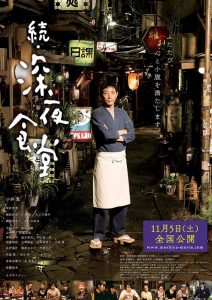
続・深夜食堂을 보고

심야식당 2. Midnight Diner 2.

마치 중심인물인 마스터가 음식을 만드는 것 같이 만들어진 영화. 간단한 메뉴에 모든 사람들이 모여 앉아 먹을 수 있는 이 식당은 밤 12시 열어 아침까지 열지만 의외로 많은 사람들이 방문한다.  続편에서는 크게 세 가지 이야기가 나온다. 사기꾼에게 속아 넘어간 후 승려와 결혼하게되는 여인. 10여년 연상의 여자와 결혼을 하기 원하는 청년. 보이스 피슁에 넘어가 아들에게 돈을 준다고 규슈에서 동경까지 홀몸으로 오게된 노모.

영화다운 영화답게 첫편에 이어지는 모티프들은 그대로 살아있다. 일본 경찰 홍보물 처럼 그려나온 인물인 순경과 그를 사모하는 배달부 처녀. 남여노소 상관없이 아무나 다 같이 앉을 수 있는 식당. 청렴결백하고 인간미 넘치는 식당주인 아저씨. 각각 인물마다 뚜렸하면서도 거슬리지 않는 특색과 성품을 보여주는 것이 이 영화의 특징이다.

내면과 외면의 두 세계가 있다는 일본인의 성품은 그 어디서도 찾아볼 수 없고 마치 서로 서로에게 마음을 열고 훈훈한 인간의 정을 보여주는 것이라고 할까. 추억속 안개뒤에 가려진 훈훈했던 인관 관계를 마음 아리게 그리워하게 한다. 서로 서로 다 이웃이지만 다 따로의 삶이 있고 서로 서로 걱정해 주고 관심을 보여 준다는 자체에서 이런 훈훈함이 엿보이는 영화이다. 보통 소리내어 말하지 않는 것들이 자연 스럽게 표현되어 나오고 그것에 자연 스럽게 행동하는 것들이 사실 우리의 일상과는 거리가 느껴지지만 그러한 마음들이 있다는 것과 그리고 우리가 타성에 젖어 행하는 것들 뒤에 그러한 미덕이 있다는 것을 다시 한번 확인 시켜주고 있다.  우리게에 잊혀진 것들. 같은 길이고 같은 음식이고 같은 사람들이지만 그곳에 촉촉한 오아시스가 있다는 것을.

이번에는 여러 사기꾼들이 두번이나 등장한다는 것이 특징이었다. 일본사회에 난무하기 시작한 것들일까? 그런 사건속에서도 담담하게 이겨나가고 회복되는 사람들.  이중잣대로 자신 스스로가 탄로가 나는 어느 청년의 어머니. 사실 우리의 모습이다. 끝까지 고집을 피우는 모습, 그러나 모두가 다 동의 할수 밖에 없는 상황이고 판단인 것. 아들을 위해 희생을 두려워하지 않는 노모. 노모는 아들의 사는 모습을 멀리서 바라보고 다시 만나는 것이 아니라 그냥 보기만 하고 조용히 떠난다. 택시의 창문이 닺히는 모습을 보면서 눈물이 핑 돌았다. 왜 이럴 수 밖에 없는 것인가. 유유히 돌아가는 택시 뒤에 노모를 도운 순경이 자전거를 열심히 타며 뒤를 따라가고 있다. 여기 미국과는 너무나 다른 경찰의 모습. 일본의 경찰은 시민들의 경찰로 영화에서 홍보된다. 이런 영화가 있어 사회를 잔잔한 사회로 조금 더 감수성이 풍요로운 사회로 이끌지 않나 하는 생각이 든다.

Reluctance

I know better than to accuse someone groundlessly, but having seen both the good and the ugly in my three decades inside the Korean American churches it is hard not to cling on my experience and intuition when I see a clergy openly hint at something.

The head of well-known North Korean ministry in South Korea was visiting Albuquerque not too long ago, and the main purpose of his visit was to gain support for his ministry of course. My pastor and the elders seemed to have agreed. I think that was his second visit. While eating with him, bunch of church members, and North Korean girls he had brought with him, I noticed that he was comfortably embracing one of the teen girls without hesitation.  I understand that physical touch, and such embrace used to be something very common in Korean culture, and I’m sure all the other adults in the restaurant probably didn’t think much of it, but it really bothered me.  He was sitting down, and one of his arm embraced the girl below the waist around her buttocks after he had called up the girl to introduce her to the group. The girl enthusiastically massaged his shoulders at one point, too. I had an internal knee-jerk reaction. Here’s a pastor who was traveling globally to gain support for this ministry, and yet his actions and how he embraces these girls doesn’t even come close to meeting any international standards on etiquette. Again, let me point out that many adults in his age group is more comfortable about physical touch than subsequent generations, and I even know how such things are rationalized–“oh, he’s treating her like his own daughter”–but enough with the bullshit.

Three decades in different churches, mostly as a youth pastor, taught me that pastors are human beings, with all of its glorious flaws. And many mega-churches have come to ruins because of the illicit conducts of its senior pastors. This is no news. And in light of such cultural failures, you can only expect dimwits to believe that this respectable(?) pastor from Korea is clean with his hands when it comes to dealing with these girls?  If he’s not hesitant about such embraces of these girls in the open air, I don’t want to imagine what he could be capable of when he’s alone with these girls. Growing up hearing so much of sexual misconduct by pastors, I personally became hesitant to even shake hands with youth group girls, much less embrace them “in Christ.”  I had created a big, internal monitor on self to check my thoughts and behaviors. Even with my own daughters, after reaching certain age, I’m more careful about how I embrace them.

Would you allow your own daughter to be handled that way by ANY ONE?  Start there.  I don’t know why these adults continue to allow these self-designated religious leaders to handle girls this way. Since he left, he’s requested to have various things translated–for free. After completing one of the translations, my heart turned weary… with the barrage of news coming from Korea about pastors who secretly raped teenage girls under their care (the latest is so-called the verified “x-file” of pastor Kim Gi-dong of Sungrak Church)… I really pray and hope this specific pastor would be pure in his life, but I’m not naive enough to have no serious doubts about it.

귀성 (歸省)

연어나 홍어 같은 어류는 알을 낳기 위해서 상류로 올라간다.

온 힘을 다하여 온 몸이 부딪쳐 만신창이가 되가면서 귀성한다.

본향의 자리에서 죽어 새로 부활하는 고기.

본향을 잊고 물 보다 더 빠른 속도로 물을 앞서려는 어리석은 자들이 현시대의 우리의 모습이다.

저 고향의 냄새를 맡고 돌아가자, 우리.

Korea has been the dumping ground for low-quality meat

(Sorry, but the video is in Korean.  The documentary clearly brings awareness to Koreans who have been fooled by believing that the beef quality increases with the fat content. The most expensive beef in Korea are the ones with the most fat content.)

When I was growing up in Korea back in early 1980s, eating meat was for special occasions.  I’m not sure if that’s the real reason why there weren’t many fat people back then, but it’s a different landscape now. Although I have been living in the U.S. for over 30s year now, it seemed like a lot of Koreans ate meat on a daily basis starting at some point in recent past. I guess the price has gotten lower and people just oriented towards what tasted good for them. For a while, our own family didn’t eat that much meat, even though my wife is an ethnic Korean. She immigrated back in early 1990s. Anyway, after recently joining a local Korean American church what surprised me once again was how much Koreans liked sam-gyeop-sal (sliced fatty pork belly meat).  It’s basically 90% fatty bacon.  People usually consume it by frying it on a grill in front of them, and wrap it with a leaf of lettuce w/ chives and other side dishes with rice. Once or twice a year there would be sam-gyeop-sal party at the church. Koreans love meat.

The video on top is basically an exposé of how the Koreans value meat is strictly based on taste and not on the soundness of health. Basically, the beef certification system strictly based on how much fat beef contains. The higher fat content, the better beef, thus more expensive.  The documentary points out that such rating system started in the U.S., and then moved to Japan, the home of Wagyu Kobe beef, and then popularized in South Korea. It also features how Argentinians prefer lean meat, and compares the Korean beef cert system to the U.S. one. It also shows how Australians, preferring lean meat themselves, intentionally fattens cows to sell to Korea, a large meat market now.

How did Korea become such a meat loving country?  The answer lies in the not too distant past. Koreans were under dire poverty right after the war, and for many growing up during those years being able to eat meat was associated with well-being, and so that generation instilled in the next that eating meat, with little regard to health — which was taken for granted, thanks for their vegetable-based diet — is something that is promoted within families. In fact, it was only on special days that my father came home with cha-dol-bae-gi, thinly sliced beef, that was roasted on top of a frying pan.  However, all such factors contributed to where Korea is today.  A dumping ground for unhealthy meat. And paradoxically, it has also become a nation of health craze.  Maybe, it was only a matter of time that this type of exposé comes to the general public.

This is yet another documentary that exposes the other meat — pork.  Korea has been the dumping ground for the fatty pork belly meat.

Is this because Korean people in general are more gullible than other nations?

한국어: 정경유착

2017/2/17 KBS News

“한국의 정경유착을 끊을 중요한 시기”

政經癒着
政 정사 정/칠 정
經 지날 경/글 경
癒 병 나을 유
着 붙을 착, 나타날 저

기업가(企業家)는 정치인(政治人)에게 정치(政治) 자금(資金)을 제공(提供)하고 정치인(政治人)은 반대(反對) 급부(給付)로 기업가(企業家)에게 여러 가지 특혜를 베푸는 것과 같은, 정치인(政治人)과 기업가(企業家) 사이의 부도덕(不道德)한 밀착(密着) 관계(關係

한국어: 지양, 추경

출처: 2017년 1월 17일 뉴스

반기문 왈: “죽기살기식으로 정권만을 잡겠다는 행태는 지양돼야한다”

止揚 (지양) – reject [for the sake of improving]

①더 높은 단계(段階)로 오르기 위(爲)하여 어떠한 것을 하지 아니함  ②어떤 사물(事物)에 관(關)한 모순이나 대립(對立)을 부정(否定)하면서 도리어 한층 더 높은 단계(段階)에서 이것을 긍정(肯定)하여 살려 가는 일


출처: 2017년 1월 11일 뉴스

“한국은행의 기준금리 인하로 추경 편성이 급류를 타고 있다”

追更 (추경) => 追加更正豫算의 약자 – supplementary budget

예산(豫算) 작성(作成) 후(後)에 생긴 사유(事由)로 해서 기정 예산(豫算) 경비(經費)에 부족(不足)이 생겼을 경우(境遇), 이에 추가(追加)하여 작성(作成)된 예산(豫算)

A repost of “Why I Chose to No Longer Wear Leggings”

For girls.

A post by Veronica Partridge (now deleted, but the old link was http://veronicapartridge.com/why-i-chose-to-no-longer-wear-leggings/)

For the past several months, I have been having a conviction weighing heavy on my heart. I tried ignoring it for as long as I could until one day a conversation came up amongst myself and a few others (both men and women). The conversation was about leggings and how when women wear them it creates a stronger attraction for a man to look at a woman’s body and may cause them to think lustful thoughts. God really changed my heart in the midst of that conversation and instead of ignoring my convictions, I figured it was time I start listening to them and take action.

I went home later that day and shared the convictions I was having with my husband. Was it possible my wearing leggings could cause a man, other than my husband, to think lustfully about my body? I asked my husband his thoughts on the matter when he got home. I appreciated his honesty when he told me, “yeah, when I walk into a place and there are women wearing yoga pants everywhere, it’s hard to not look. I try not to, but it’s not easy.”

I instantly felt conviction come over me even stronger. Not that I wasn’t feeling it earlier, or else I wouldn’t have thought twice about the conversation, but after talking to Dale, it hit me a lot harder. If it is difficult for my husband who loves, honors, and respects me to keep his eyes focused ahead, then how much more difficult could it be for a man that may not have the same self-control? Sure, if a man wants to look, they are going to look, but why entice them? Is it possible that the thin, form-fitting yoga pants or leggings could make a married (or single) man look at a woman in a way he should only look at his wife?

And at that moment, I made a personal vow to myself and to my husband. I will no longer wear thin, form-fitting yoga pants or leggings in public. The only time I feel (for myself) it is acceptable to wear them, is if I am in the comfort of my own home. I also want to set the best example of how to dress for my daughter. I want her to know, her value is not in the way her body looks or how she dresses, but in the character and personality God has given her. I have been following the vow I made to myself for the past couple of weeks now and though it may be difficult to find an outfit at times, my conscience is clear and I feel I am honoring God and my husband in the way I dress.

Where should I be focusing my eyes during keiko?

As the old saying in kendo goes, “1. eyes, 2. footwork, 3. courage, and 4. strength” (一眼 二足 三膽 四力; ichi-gan ni-soku san-tan shi-riki), seeing is considered to be the most important.  The act of seeing is divided into two aspects (観見の目) one that of sensing or perceiving [as mentally] (観; kan) the whole of your opponent, and another is that of simply observing [as physically] (見; ken).

1) Observing eyes

There is a saying, “eyes are the mirror of the soul.”  It’s possible to read a person’s heart through his eyes. If the heart is in disorder the eyes are murky, and if the heart is clean the eyes are clear. There are some who look at the target (men, kote, dou, or tsuki) before making a cut, and that is akin to relaying to your opponent where you are going to be cutting. So, if you want to read the other person’s intention you have to practice to observe your opponent’s eyes and read the heart.

2) Seeing eyes

You can sense the movement of your opponent’s whole body through his eyes. This is because the human field of vision sees best 30 degrees from the line that connects the upper part of the ears to the eyes. There are some who look at opponent’s tsuba or hand to avoid any attack, or focuses on the feet to see the movement, but you can’t track the movement of shinai with your eyes, and you can’t see the whole if you focus on one point.

Therefore, you should see as if you’re seeing a far-away mountain, and also see opponent’s eyes to comprehend your opponent’s whole (heart and mind).

* This is a translation from Jissen Kendo by Edo Kokichi kyoshi.

恵土孝吉. スポーツQ&Aシリーズ 実戦剣道. 東京都: 大修館書店, 1985. Print. Q 7.


20 Rules for a Knight and comparative notes from Bushido (Part 1/2)

Recently, Shane posted a recovered letter by Sir Thomas Lemuel Hawkes of Cornwall (c.a. late 15th century) regarding 20 rules for a knight, which was written to his children.  I found that in essence the virtues outlined here coincide with classical virtues of Confucianism, which the Japanese bushido (code of warriors) had adopted.  Here’s a quick association and notes on each of the rules from Shane’s original post.  This is part 1 of 2.

  1. Solitude
    • “Create time alone with yourself. When seeking the wisdom and clarity of your own mind, silence is a helpful tool. The voice of our spirit is gentle and cannot be heard when it has to compete with others. Just as it is impossible to see your reflection in troubled water, so too is it with the soul. In silence, we can sense eternity sleeping inside us.”
    • 男兒一言 重千金 = the word of a man should be as heavy as a ton of metal
      This is the complement of the old proverb that says a mistake in inevitable with many words.  Hawkes’ purpose of solitude is as a meditative means to grasp a better reality of things through introspection, whereas the context for the promotion of solitude is in the context of relationship with others, reinforcing the wholistic notion of relational universe in Confucianism. The value of solitude is as an instrument of integrity (信 trustworthiness).
  2. Humility
    • “Never announce that you are a knight, simply behave as one. You are better than no one, and no one is better than you.”
    • 禮/礼 (rei) or 礼儀 (reigi in Japanese) = politeness or manners
      In Bushido, the essence of politeness is that of humility. This is often considered to be the external manifestation of 義 (righteousness), which could be expressed as a moral expression of one’s responsibility to others as a member of a society.
  3. Gratitude
    • “The only intelligent response to the ongoing gift of life is gratitude. For all that has been, a knight says, “Thank you.” For all that is to come, a knight says, “Yes!”
    • Hawkes’ religious context as a Christian is a type of all-encompassing gratitude towards the Almighty for all things, past, present, and future. Where as in Bushido, again, this is an aspect of 礼儀 (reigi) where the gratitude for the other person is the other side of humility. Even in today’s kendo keiko (古 practice/training), for example, you are required to say “[respectfully] thank you very much” (どうもありがとうございます) at every practice session with your practice partner.  Gratitude for the opportunity to train in a lifetime cultivation as a shugyosha (originally a Buddhist term as a “seeker of enlightenment,” or more commonly, someone whose life is dedicated towards the perfection of virtues and skills), and gratitude for helping to realize one’s weaknesses.
  4. Pride
    • “Never pretend you are not a knight or attempt to diminish yourself because you deem it will make others more comfortable. We show others the most respect by offering the best of ourselves.”
    • The idea very much overlaps one found in Bushido.  気位 (kigurai = pride or self-respect) is to be expressed through proper posture, etiquette (礼), and most importantly through the spirit (気 ki). In regular practice sessions, one is to give one’s utmost (physically, mentally, and spiritually) as a sign of respect for others’ time.
  5. Cooperation
    • “Each one of us is walking our own road. We are born at specific times, in specific places, and our challenges are unique. As knights, understanding and respecting our distinctiveness is vital to our ability to harness our collective strength. The use of force may be necessary to protect in an emergency, but only justice, fairness, and cooperation can truly succeed in leading men. We must live and work together as brothers or perish together as fools.”
    • 和 (wa, harmony) is one of the virtues not only in Bushido, but in its greater Japanese cultural context. Japanese had even labelled themselves as a people of 和, as one of the most highly prized virtues. This can also be considered as a outward manifestation of 仁 (jin, benevolence of mercy), which is one of the four major virtues of Confucianism, and considered to be the very essence of all other virtues. Hawkes is not so far from putting this as the most important concept like in Bushido when he equates the absence of this virtue as a sure destruction.
  6. Friendship
    • “The quality of your life will, to a large extent, be decided by with whom you elect to spend your time.”
    • Hawkes’ understanding of friendship is one that we, as Westerners, can easily identify with. The Bushido’s idea of friendship is one that is characterized by a deep, relational commitment that can seem to override even the absolutes of moral codes at times. 忠義 (chugi, loyalty) is tightly bound with the idea of 名誉 (meiyo, honor), and more often than not, the traditional version of this idea represents a deep sense of loyalty.
  7. Forgiveness
    • “Those who cannot easily forgive will not collect many friends. Look for the best in others.”
    • In Bushido, a similar virtue is also encouraged, more often expressed as overlooking the offense of others. The central tenet of 仁 (jin) expresses this idea implicitly, although when it comes to the actual practice it is often limited to one’s close circle of relationships.
  8. Honesty
    • A dishonest tongue and a dishonest mind waste time, and therefore waste our lives. We are here to grow and the truth is the water, the light, and the soil from which we rise. The armor of falsehood is subtly wrought out of the darkness and hides us not only from others but from our own soul.
    • 真実 (shinjitsu) truth, along with 誠実 (seijitsu) sincerity are considered as one of the eight virtues as outlined by Nitobe Inazō in his well-known book on Bushido. The spirit and the attitude around honesty happens to coincide very closely with Spartan stoicism, with its strong emphasis on frugal living and abstinence from any form of greed, which usually acts as the originating force towards dishonesty and pretentiousness.
  9. Courage
    • Anything that gives light must endure burning.
    • 勇気 ( yuu-ki) courage is the modus operandi of 義 (gi) righteousness or rectitude, and it is always in service of 義 and outside of that it would not be called courage. This is also one of the four important elements of kendo.

稽古 7-79: oikomi, hikiwaza

稽古 7-79 / Baca Center / 2016年 10月 19日 (水)

14707021_1084035008379163_6424120478089198471_o

Oikomi: men, men-kote, men-kote-dou. We usually don’t practice going forward that much so whenever I instruct the class I try to put in oikomi or other practices that help with this. We start with a kiai, and then go on for continuous uchi in fumikomi. Near the end of dojo, we finish with shomen uchi and then zanshin. I felt light today, however, my left foot felt like it was being dragged along rather than snapping in for some reason. Sensei didn’t say anything about it, so it must look okay from the side.  This feeling may be due to the lack of practice of this sort.

Men-kote uchi felt natural, with the right distance for footwork coming surprisingly naturally even during the fast drill. I sometimes think this as a rather enchanting aspect of kendo. What was difficult before has finally become a second-nature, and it’s a satisfying feeling that you don’t commonly find in other aspects of life, except maybe in academia.

We ended practice with sensei’s instruction on hikiwaza and then jigeiko. I tried to focus on cutting somewhat explosively, but I was little too tired for this by this time. This is usually manifested by higher ranking kendoka who have been practicing for a long time with right chudan no kamae with proper suburi.

My energy level was excellent for this keiko.

Signing with a GPG key in a Git workflow

If you’re working on a project and you want to doubly make sure of your code integrity, it’s good idea to sign your work to make sure what you add to the code base is only from you and from no one else. This is particularly important in building a secure application, or if you’re a coder in a team setting.

If you have some authority over the development workflow, it may also be a good idea to adopt the team practice of signing commits even before you do a git init on a project. There are plenty of references on configuring your GPG keys, so that’s not covered here.

Get your GPG configured, and a personal key installed. Configure Git to use your personal key.

$ git config --global user.signingkey 0A46826A

Signing tags:

$ git tag -s v2.17 -m <span class="s1">'version 2.17 signed by MH'</span>
$ git show v2.17

With the signer’s public key in the keyring, you can verify the tag:

$ git tag -v v2.17

Signing commits

You can sign commits simply by adding -S once your environment is configured.

$ git commit -S -m <span class="s1">'push a signed commit'</span>

You can check and verify via git log:

$ git log --show-signature -1

You can configure git log to check any signatures and list them in output via %G? format.

$ git log --pretty<span class="o">=</span><span class="s2">"format:%h %G? %aN  %s"</span>

You can also reject commits that are unsigned and invalid:

$ git merge --verify-signature non-verify
 
$ git merge --verify-signatures signed-branch

Sign the merge commit itself:

$ git merge --verify-signatures -S signed-branch

On the Korean script war

One of the silent wars that has been raging on the Korean peninsula is between those who promote only hangeul usage and those who wants to conserve the traditional mixed script usage where both hanja (traditional Chinese characters) and hangeul are used interchangeably. It’s true that in the linguistic history, specifically the history of written script, of East Asian countries, especially in Korea and in Japan, the use of phonetic scripts have been looked down upon as inferior to the use of classical Chinese idiomatic characters.

It seems that Korean people (those who are living in Korea) are evenly split between the all-hangeul-use camp and the mixed-use camp, with a lot of nonopinionated stuck in the middle. I’ve memorized around 500 hanja characters so far, and in spite of my large ignorance, I incline towards the mixed-use, not because I am an elitist but because I believe there is more to lose than to gain. History is already a largely marginalized subject in schools due to overt emphasis on job skills in education, and it doesn’t help to establish any more sense of connection to history if you herd an entire generation people to an ignorance of scripts used by their forefathers. Take the example of the writings by Ahn Jun-geun (Korean: 안중근 (安重根)).  Thanks to a popular bumper sticker, everyone is familiar with his hand print along with the word, “大韓國人,” (Korean: 대한국인), literally translated, “The Person of the Great Country of Han.” However, the main writing which this was part was “黃金百萬兩不如一敎子 ” (Korean: 황금백만냥 불여일교자), translated, “100,000 pounds of gold can’t equal to a [proper] teaching of [one’s] child,” is largely unknown to the populace. He wrote this while in jail, waiting for his execution, which was the penalty for trying to assassinate Ito Hirobumi.

And then there is the deeply honored historical figure called General Yi Sun-sin, whose writing was only in hanja. Some Koreans may have heard of Diary during the War (Korean: 난중일기 (亂中日記)), even may have read a translation of it, but only very few has ever read it in its original writing. Of course, it doesn’t help that he wrote mostly following the Chinese grammatically rule, just as the literatis of his day did, but even knowing the characters themselves would help to identify the words with which he wrote. Continuing to neglect the linguistic heritage, and marginalize its use for the future generations of Koreans is to distance the Koreans to the real historical identity of its past, and only to ostracize its people from sharing the common heritage of its own history, as well as its connection to its neighbors.

Car Repaint Project: [LAST] Day 7 – Wetsand and polish

Wetsanded the car with 1000 grit, and then tried polishing it using Ultimate Compound.  I’m guessing the clear coat wasn’t sprayed well because even after polishing, the paint looked dull.  The car looked rather shiny after the third coat of paint, but with the clear coat sprayed on it didn’t look so shiny anymore.  I guess it may have something to do with my polishing. But anyhow, I’m glad it’s over, and the paint has a coat of protection on it. Since it’s white it doesn’t need to twinkle or anything.  I’ll probably post the photo later, but IT’S DONE!

UPDATE: I may need to use a buffer to polish it up better.  It’s still a blur.  It’s going to be a long weekend, so I might as well take the time. ;-(